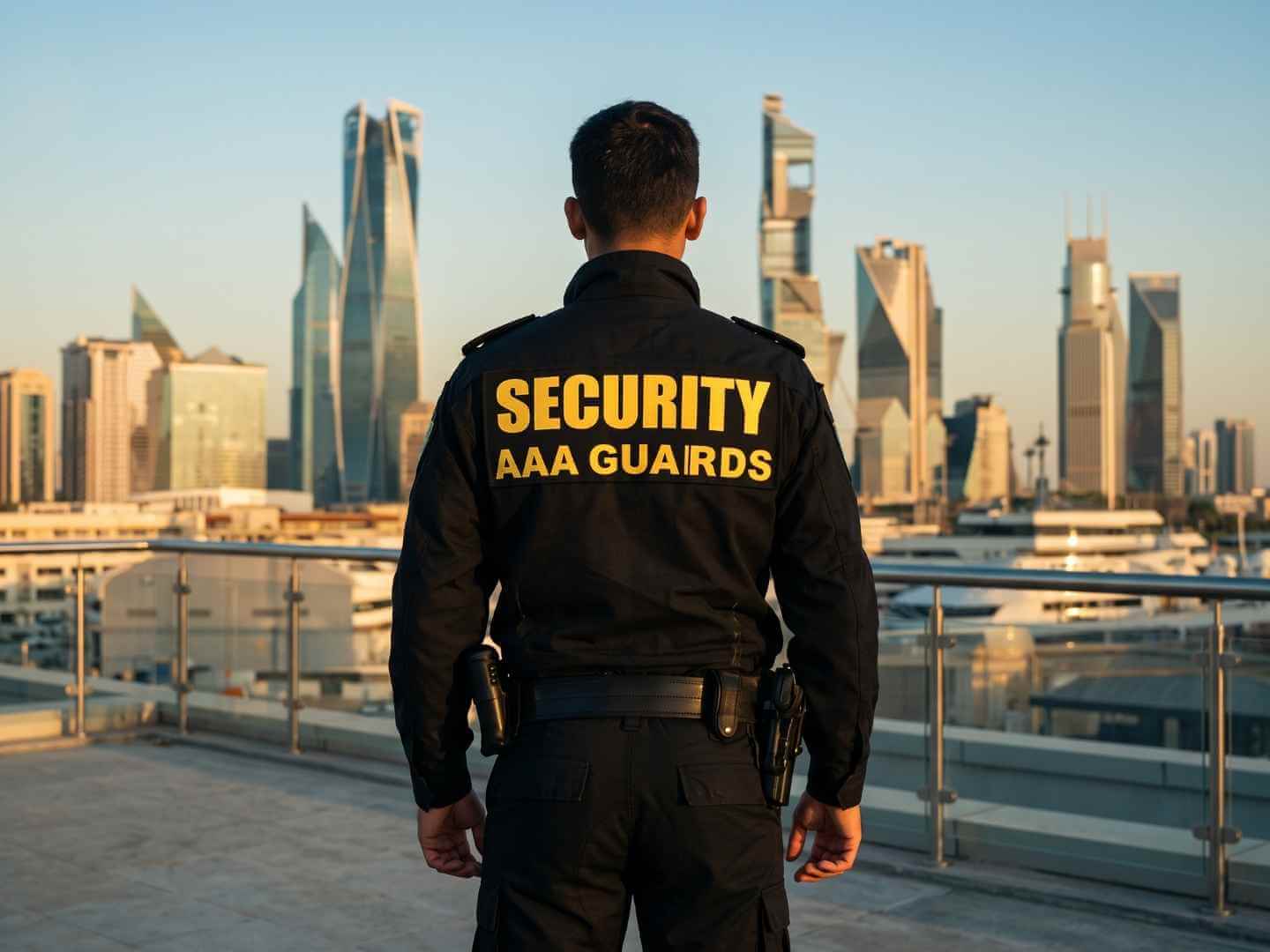
Workplace security is evolving rapidly. As physical threats grow more complex and unpredictable, businesses in cities like Dallas, Houston, and Fort Worth are turning to smarter, more reliable systems—like smart access control—to stay ahead of risks. Whether you’re managing a retail outlet in Irving or a healthcare facility in Lewisville, smart access control isn’t just the future—it’s the new standard.
This guide will walk you through everything you need to know about smart access control and how AAA Security Guard Services helps businesses implement it to defend against real-world threats like theft, vandalism, sabotage, and unauthorized access.
What is Smart Access Control?
Smart access control refers to advanced systems that regulate entry to a building or area based on secure digital credentials. These credentials can include:
- Key cards or fobs
- Biometric scans (fingerprint, face, retina)
- Mobile phone apps
- PIN codes with real-time authentication
These systems track who enters and exits, when, and through which entry point—allowing for tighter control and faster response when an incident occurs.
Physical Threats Smart Access Control Helps Prevent
Security is no longer just about locks and keys. Smart access control addresses serious physical threats including:
Theft
Unauthorized removal of equipment, sensitive materials, or merchandise is a major risk in retail security and industrial facilities. Smart access control helps limit access to inventory rooms and storage.
Vandalism and Arson
In schools, construction sites, and car dealerships, after-hours vandalism or arson is a growing threat. Smart systems help prevent entry during off-hours and flag unauthorized attempts.
Unauthorized Access and Tailgating
These threats are especially dangerous in high-security areas such as government buildings and healthcare facilities. Access logs and anti-tailgating sensors provide layers of defense.
Insider Threats
Employees with legitimate access can misuse privileges. Smart access control allows for role-based restrictions and audits to catch anomalies.
Where Smart Access Control Works Best
1. Commercial Security
Smart access systems make it easy to manage permissions for employees, contractors, and visitors.
2. Healthcare Facilities
Limit access to pharmacies, operating rooms, and patient data with biometric or two-factor systems.
3. Retail Security
Monitor access to stockrooms and cash handling areas.
4. Construction Sites
Use mobile access credentials to track workers and prevent unauthorized after-hours entry.
5. Hotel Security & Parking Control
Smart locks and automated gate access reduce risk for guests and assets.
How AAA Security Guard Services Supports Smart Access Control
Armed Security Officers
Pair smart systems with trained armed security officers for instant response to threats.
Unarmed Security Officers
Unarmed officers monitor entrances and exits while handling guest interactions.
Remote Patrol Using CCTVs
Remote monitoring integrates with smart systems for off-site surveillance.
Mobile Patrol Security
Mobile patrols provide fast response across large areas like industrial parks and campuses.
Temporary Security
Temporary guards offer support during installations or high-risk periods.
Executive Protection
Executive protection includes access control for VIP-only zones.
CCTV Installation
We provide CCTV installation that integrates seamlessly with smart access platforms.
Final Thoughts
With rising threats and growing facilities, traditional keys and locks are no longer enough. Smart access control offers a safer, more flexible way to protect people and property.
Looking for a security company near you? Whether you’re in Poolville, San Antonio, or Jacksonville, AAA Security Guard Services provides professional security solutions tailored to your needs.
Contact us today to learn how smart access control and physical security can work together to protect your workplace.