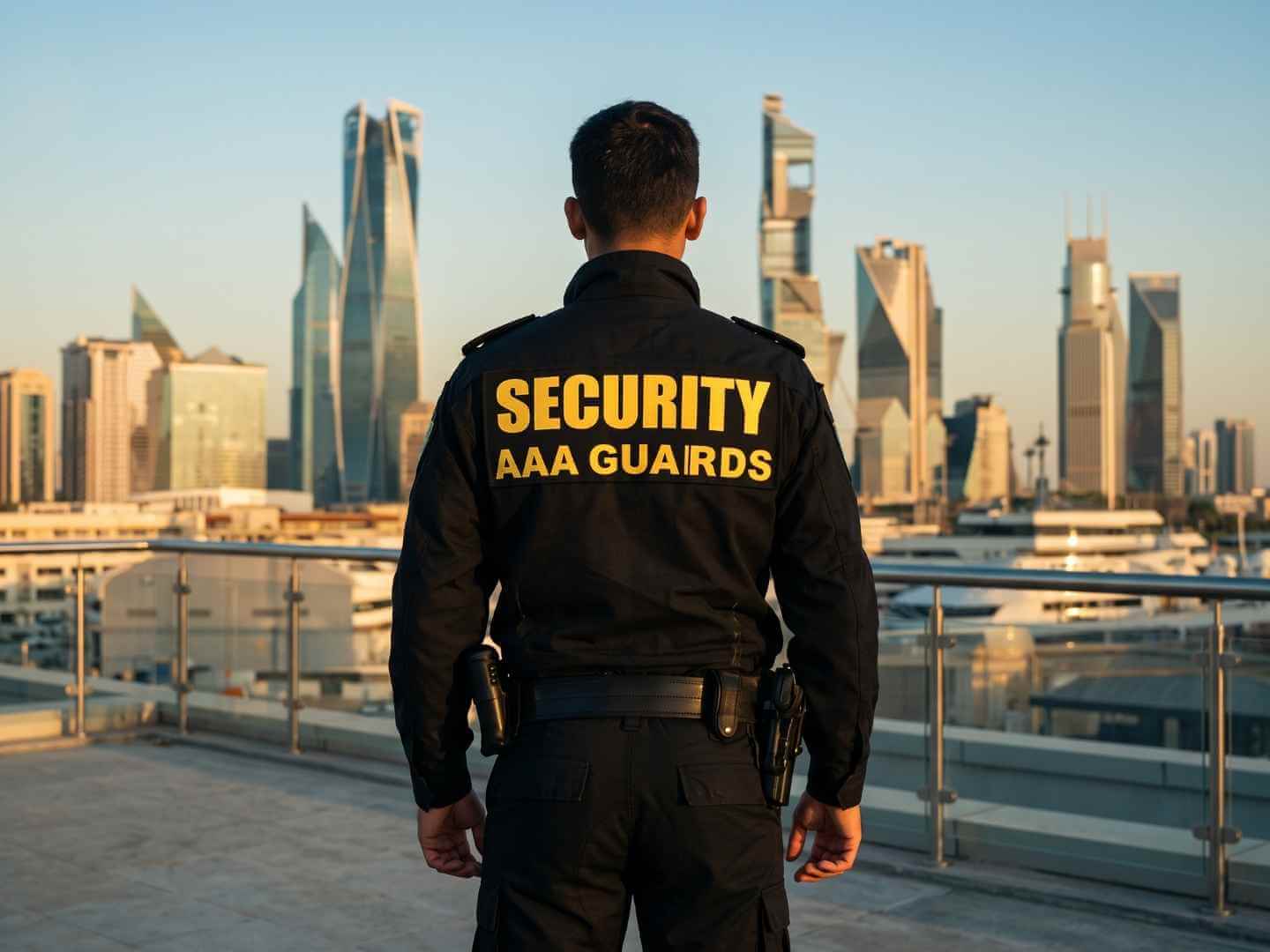
When it comes to security, preparation is key. At AAA Security Guard Services, we understand the importance of having well-trained security guards who can handle emergency situations effectively. In this blog post, we will discuss essential strategies and techniques for training your security personnel to respond efficiently to emergencies.
1. Establish Clear Protocols for The Security Guards
Begin by developing comprehensive emergency response protocols. Clearly define roles and responsibilities for your security guards during various emergency scenarios, including natural disasters, medical emergencies, and security breaches. Ensure that these protocols align with local regulations and industry standards.
2. Regular Training and Drills
Training is an ongoing process. Conduct regular training sessions and emergency drills to keep your security guards prepared and sharp. These drills should simulate real-life situations, allowing your personnel to practice their response and communication skills.
3. Effective Communication
Communication is crucial in emergencies. Train your security guards to communicate effectively with each other and with other relevant parties, such as law enforcement or medical personnel. Use two-way radios and establish a clear chain of command for efficient communication.
4. First Aid and Medical Training
Security guards should be trained in basic first aid and CPR. Emergencies often involve medical issues, and having guards with these skills can make a significant difference in the outcome of a situation. Consider certifying your guards in first aid and CPR courses.
5. Emergency Equipment Familiarity
Ensure that your security guards are well-versed in the use of emergency equipment, such as fire extinguishers, automated external defibrillators (AEDs), and emergency exit procedures. Regularly inspect and maintain this equipment to ensure its functionality.
6. Crisis De-Escalation Training
Teach your security guards how to de-escalate potentially volatile situations. This training can help prevent conflicts from escalating into emergencies and improve overall security in your facility.
7. Incident Reporting
Implement a robust incident reporting system. Encourage your security personnel to report any suspicious activities or incidents promptly. This documentation can be valuable for post-incident analysis and improvement of security measures.
8. Legal and Ethical Considerations
Property security guard should be well-versed in the legal and ethical aspects of their job. Provide training on topics such as use of force, detainment procedures, and privacy rights to ensure that your personnel act within the boundaries of the law.
9. Adaptability and Critical Thinking
Emergencies can be unpredictable. Train your security guards to think on their feet and adapt to changing situations. Encourage critical thinking and decision-making skills that prioritize safety.
10. Continuous Evaluation
Regularly assess your security guards’ performance through evaluations and feedback sessions. Identify areas for improvement and provide additional training as needed.
By following these strategies and investing in the training and development of your security guards, you can enhance the safety and security of your premises and respond effectively to a wide range of emergency situations.
For professional security services and expertly trained security guards, contact AAA Security Guard Services.
Contact Information:
Telephone: +1 817-677-8803
Email: info@aaaguards.com
Office Locations:
| 400 E Royal Ln Suite 290B, Irving, TX 75039 |
| 1901 Central Dr. Unit 400, Bedford, TX 76021 |
| 405 TX-121 Building A Suite A250, Lewisville, TX 75057 |
| 4500 Mercantile Plaza Suite 300, Fort Worth, TX 76137 |
| 5050 Quorum Dr. Suite 700, Dallas, TX 75254 |