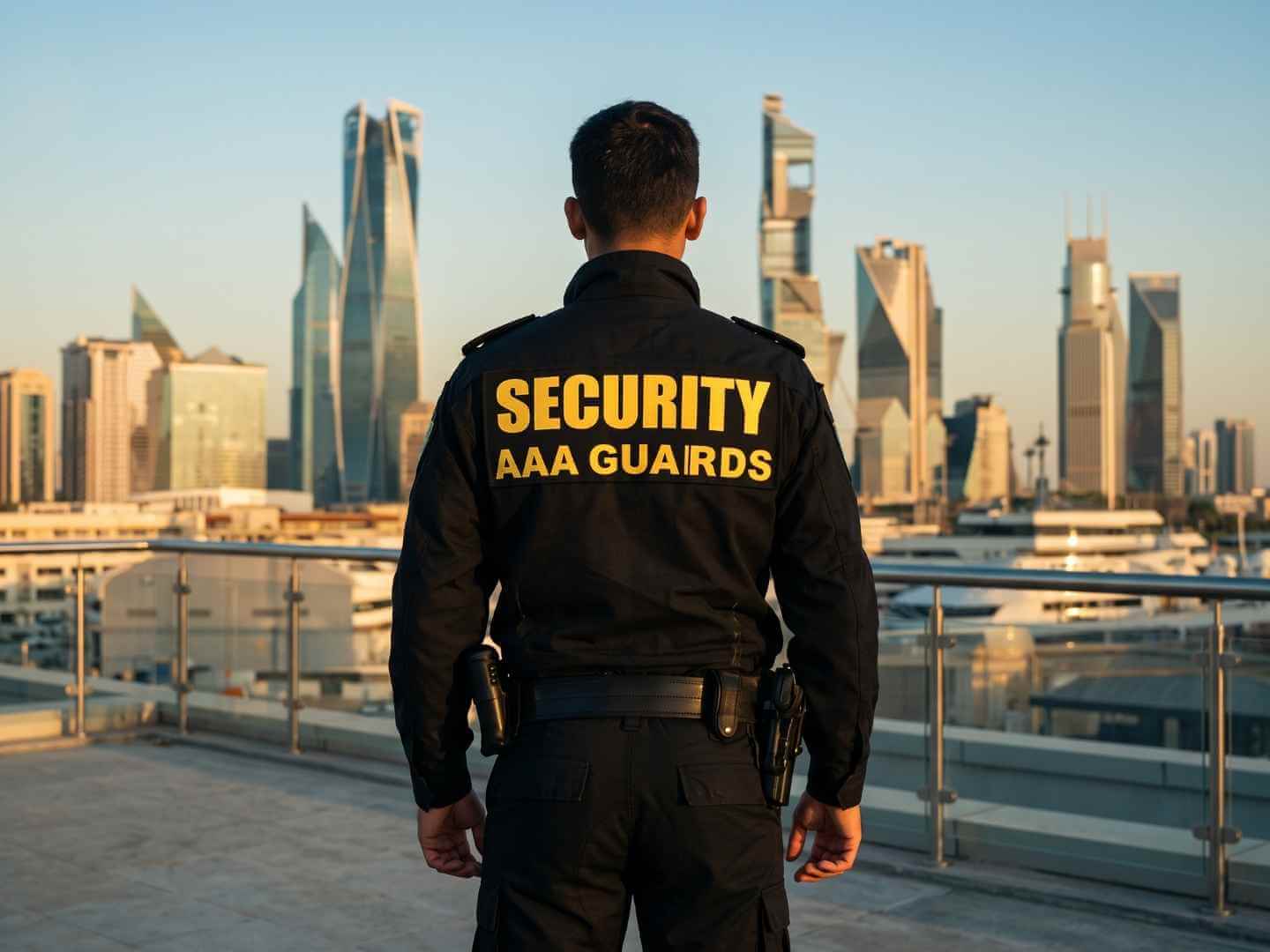
A security officer may be present at a site, but a property manager still needs to know what happened during the shift. Were access points checked? Was an unlocked gate secured? Did a suspicious vehicle leave before police attendance was needed? Real Time Security Guard Reporting turns those questions into clear, time-stamped evidence rather than a vague update at the end of the day.
For businesses, property operators, and facilities teams across Texas, reporting is not an administrative extra. It is how you confirm that paid-for coverage is being delivered, identify emerging risks, and make better decisions before a minor issue becomes a costly incident.
What Real Time Security Guard Reporting Shows
Real Time Security Guard Reporting shows where an officer was, when an activity happened, what the officer found, and what action was taken. GPS location data, checkpoint scans, written notes, photos, and incident details create a clear record of field activity.
That visibility matters on changing sites. A construction manager may need proof that storage areas were checked after hours. AAA Guards supports these needs through construction site security for projects that require perimeter checks and incident documentation.
A retail operator may need a record of suspected theft, including the time, location, and description given to management. A residential community may need reports on parking issues, damaged fencing, or unauthorized access attempts. AAA Guards also provides retail security services and residential community security for properties where reporting helps managers respond faster.
The value is not simply more information. It is information tied to time, place, and action.
Why Daily Activity Reports Improve Accountability
Daily activity reports help clients confirm that routine security duties were completed. They can show patrol times, access checks, visitor concerns, safety hazards, locked doors, unlocked gates, and unusual activity during the shift.
Traditional handwritten logs can still be useful, but they may be completed after several patrol rounds. That can make details harder to verify. Digital reporting creates a stronger trail because officers can record activity at the time it happens.
This does not mean technology replaces trained officers or active supervision. A GPS point cannot explain whether an officer used good judgment during a tense visitor interaction. The strongest security program combines capable officers, clear post orders, responsive supervision, and reporting tools that make field activity visible.
For Texas clients, working with a licensed provider also matters. The Texas DPS Private Security Overview explains that the Texas Department of Public Safety regulates the private security profession, including armed and unarmed security guards.
AAA Guards provides unarmed security officers and armed security officers for sites that need trained coverage supported by clear reporting.
How Security Incident Reporting Speeds Up Response
Security incident reporting is most valuable when something needs immediate attention. A report filed hours later may be fine for a routine note. It is not enough for a forced door, medical emergency, aggressive person, fire safety issue, or active access control concern.
Real-time alerts help the officer, supervisor, and client contact work from the same current information. An officer may secure an area, request management attendance, call a supervisor, or contact emergency services when required.
Clear reports also improve handovers. If an overnight officer dealt with trespassing near a rear fence, the incoming officer should know the location, description, actions taken, and whether follow-up checks are needed. The next shift should not start from scratch.
This is useful for warehouses, hospitals, schools, retail centers, events, and multi-building properties where one incident can affect staff safety, visitors, deliveries, and operations. The OSHA Workplace Violence page supports the importance of prevention procedures, communication, and clear response planning as part of a broader safety program.
Security Patrol Verification Turns Patrols Into Proof
Security patrol verification gives clients proof that officers checked assigned areas. Instead of relying on a general statement that the site was patrolled, clients can review checkpoint scans, timestamps, notes, and exceptions.
This helps property managers find patterns. If officers repeatedly report vehicles near a service entrance, management may improve lighting, adjust delivery procedures, or add targeted patrols. If unauthorized access attempts happen during the same hours, the site may need better gate control, camera review, or staffing changes.
Good reporting does not mean filling a client portal with hundreds of generic “all clear” entries. The best reports confirm routine activity, highlight exceptions, and give enough context to understand the risk.
CISA’s Security Assessment at First Entry describes a structured review of facility security measures to identify vulnerabilities and options for improvement. Real reporting data supports that same goal by showing what is happening on the ground.
Mobile Patrol Reporting for Larger and Multi-Site Properties
Mobile patrol reporting is especially useful for sites where one officer or patrol vehicle covers several areas. This may include business parks, warehouses, apartment communities, retail centers, parking lots, construction sites, and commercial properties with multiple buildings.
Mobile patrol reports can document gate checks, door checks, parking concerns, exterior lighting issues, trespassing, vandalism, and suspicious activity. They also help supervisors confirm that patrol routes were completed as planned.
For properties that need off-hours response, route checks, or wider coverage, AAA Guards offers mobile patrol security to help maintain visibility across larger or more complex sites.
A strong patrol report should stay practical. It should show where the officer went, what was checked, what was found, and what action was taken. That gives clients useful oversight without requiring them to be physically present after hours.
Setting the Right Reporting Standard for Your Site
Reporting requirements should match the environment. An office building may need visitor concerns, scheduled patrol checks, and after-hours lock checks. A construction project may need perimeter patrols, equipment checks, contractor activity notes, and photos of vulnerable areas. An event may need crowd observations, entry refusals, medical incidents, and rapid escalation records.
Before coverage begins, decide what officers should report, who receives alerts, and which incidents require immediate escalation. The process should guide officers under pressure without burying them in unnecessary forms.
A practical reporting plan should cover:
- Patrol routes, checkpoints, and frequency of checks.
- Access control issues, including unlocked doors and restricted areas.
- Safety hazards such as poor lighting, damaged fencing, spills, or blocked exits.
- Escalation rules for site management, supervisors, or emergency services.
- Use of photos, audio, and personal information based on site policy.
Privacy also matters. Reports should capture security-related facts and avoid unnecessary personal details. Images and recordings should be handled responsibly, with access limited to authorized people.
For temporary operations, AAA Guards provides temporary security services and parking control services where reporting can help document guest flow, access issues, vehicle concerns, and incidents.
Choose Visibility, Not Just a Presence
Visible security remains a strong deterrent, but visibility alone is not a complete service standard. The right officer at the right post needs a clear way to document activity, report concerns, and prove that patrol duties were completed.
When Real Time Security Guard Reporting gives you timely facts instead of end-of-shift assumptions, you can respond with more control. That is the reassurance decision-makers need when they are responsible for people, premises, and assets after regular business hours.
If your Texas property needs professional guard coverage with better reporting, stronger accountability, and responsive communication, AAA Guards can help. Request a free quote or schedule a consultation for security guard services built around your site, risk level, and reporting needs.
FAQs
What is real time security guard reporting?
Real time security guard reporting is the process of recording guard activity as it happens. It may include patrol checks, GPS locations, checkpoint scans, incident notes, photographs, time stamps, and alerts sent to supervisors or client contacts.
Why is real time reporting better than a handwritten shift log?
A handwritten shift log may be completed after patrols are finished, which can make details harder to verify. Real time reporting creates a clearer record by connecting activity to the time, location, and officer action.
What should be included in a security guard report?
A good security guard report should include the date, time, location, officer name, activity completed, observations, incidents, actions taken, and any required photos or supporting details. The report should be clear enough for managers to understand what happened without needing a long explanation.
How does reporting improve security accountability?
Reporting improves accountability by showing whether patrols were completed, checkpoints were visited, and incidents were documented. It also gives supervisors a way to review officer activity and correct missed checks or repeated site issues.
Can real time reporting help with incident response?
Yes. Real time reporting can alert supervisors or client contacts while an issue is still active. This helps teams respond faster to forced doors, trespassing, safety hazards, medical emergencies, aggressive behavior, or access control problems.
Is real time guard reporting useful for construction sites?
Yes. Construction sites often need proof that gates, storage areas, equipment zones, and perimeter points were checked after hours. Reports can also document trespassing, theft concerns, damage, lighting problems, and contractor-related access issues.
Does AAA Security Guard Service provide real time reporting?
Yes. AAA Security Guard Service uses real-time guard reporting to give clients better visibility into patrols, incidents, and site conditions across armed, unarmed, mobile patrol, and temporary security assignments.