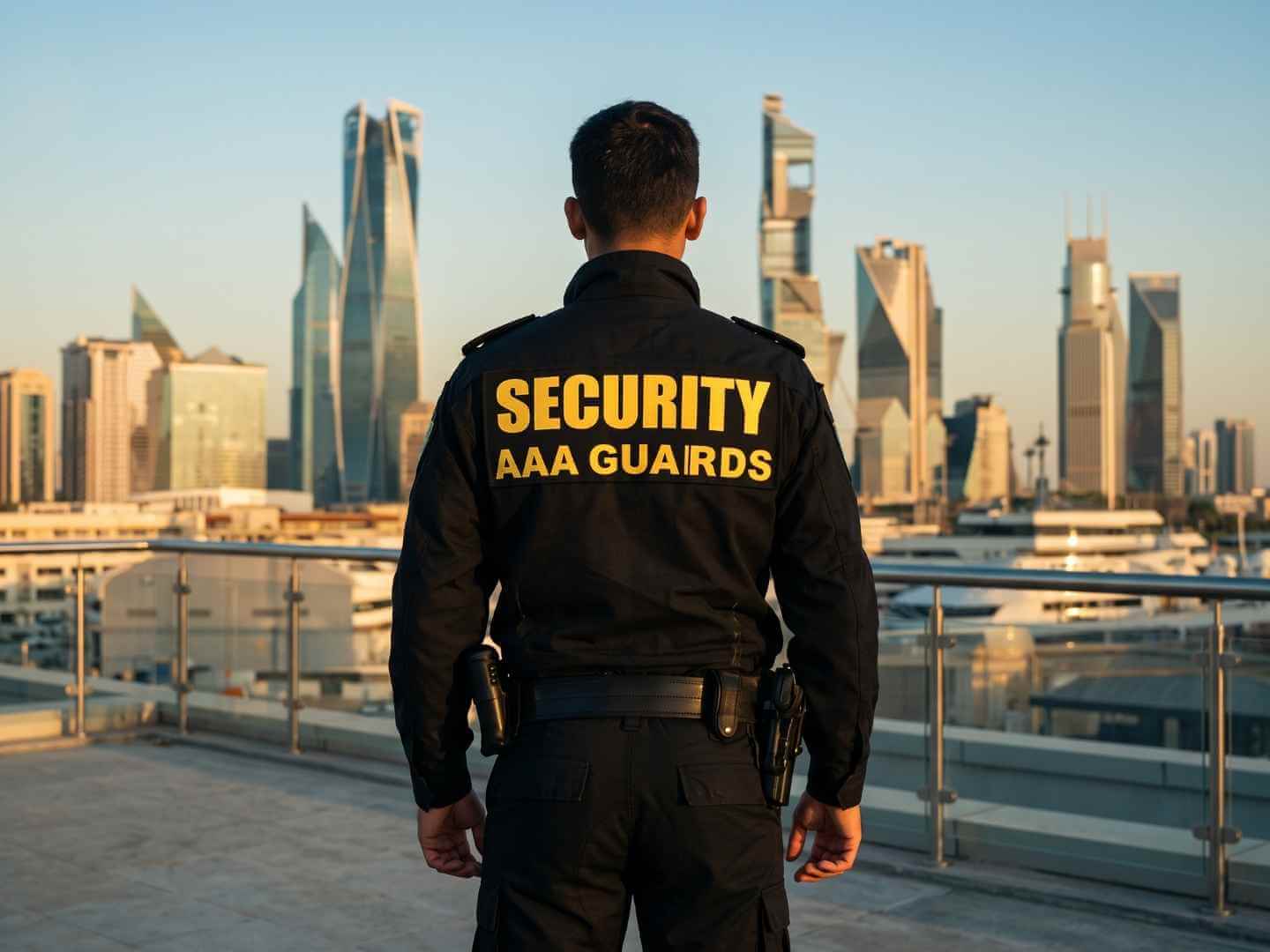
Texas heat can turn a routine outdoor post into a serious safety risk. That is why outdoor officers heat safety should be part of every summer security plan, especially for guards assigned to parking lots, construction gates, events, retail centers, warehouses, and commercial properties. Security guard heat safety is not only about comfort. It protects people, reduces staffing problems, and helps companies keep coverage reliable.
Outdoor officers often stand, patrol, direct vehicles, monitor entrances, and respond to issues while wearing uniforms and equipment. Without a heat illness prevention plan, heat stress prevention can become reactive instead of planned. This guide explains how Texas companies can protect outdoor officers while still keeping properties secure.
OSHA Heat Exposure says occupational heat illness risk factors include heavy physical activity, hot conditions, lack of acclimatization, and clothing that holds in body heat.
Why Does Outdoor Officers Heat Safety Matter in Texas?
Outdoor officers heat safety matters because guards often work in direct sun, near pavement, around vehicles, and during long shifts. Heat can affect alertness, response time, judgment, and physical health. A guard who is overheated cannot protect the site effectively.
Texas companies should treat heat as an operational risk. A property may still need security coverage, but the post design, break schedule, uniform rules, and patrol route may need to change during extreme heat.
Texas Department of Insurance says heat illness affects thousands of indoor and outdoor workers each year and can lead to death.
AAA Guards provides commercial security services for Texas properties that need professional guard coverage built around the site, risk level, weather conditions, and operating hours.
What Should a Heat Illness Prevention Plan Include?
A heat illness prevention plan should include water, rest, shade, acclimatization, training, emergency steps, supervisor checks, weather monitoring, and clear rules for adjusting outdoor work. The plan should be written before summer heat becomes an urgent problem.
A practical plan should answer:
Who checks heat conditions?
Where can guards cool down?
How often are breaks taken?
Who monitors new guards?
What symptoms should guards report?
Who calls 911 during an emergency?
When should a post be changed or rotated?
OSHA Water, Rest, Shade explains that proper hydration is essential, rest break length and frequency should increase as heat stress rises, and workers should have access to shade or cool areas.
The plan should also include acclimatization. NIOSH Acclimatization explains that workers need time to adjust to heat, and time away from heat can reduce that adjustment.
Security Guard Heat Safety Procedures for Daily Posts
Security guard heat safety procedures should be simple enough for every officer and supervisor to follow. The goal is to prevent heat illness before an officer starts showing serious symptoms.
Daily procedures may include:
Check the heat index before the shift
Confirm water is available
Identify shaded or air-conditioned rest areas
Schedule breaks before the shift starts
Use radio or phone welfare checks
Rotate officers when possible
Reduce unnecessary standing in direct sun
Move report writing into a cool area
Watch for confusion, dizziness, heavy sweating, or weakness
Escalate symptoms quickly
OSHA Heat Index for Outdoor Workers offers a heat index tool that helps employers and workers review risk levels and connect heat conditions to safety guidance.
AAA Guards provides unarmed security officers and armed security officers for properties that need trained coverage. Outdoor assignments should always include clear post orders, weather planning, and supervisor communication.
Heat Stress Prevention for Patrols, Parking Lots, and Events
Heat stress prevention is especially important for guards assigned to parking lots, outdoor events, construction entrances, loading areas, and large properties. Pavement, vehicles, reflective surfaces, crowds, and long walking routes can make the post feel hotter than the forecast.
Companies should review each outdoor post and ask whether the guard can cool down, hydrate, communicate, and get relief. A parking lot post may need a shaded station, patrol vehicle rotation, or shorter outdoor intervals. An event post may need extra officers so guards can rotate before symptoms begin.
NIOSH Workplace Recommendations recommends training before hot outdoor work begins and permitting rest and water breaks when workers feel heat discomfort.
For large lots and outdoor properties, parking control services and mobile patrol security can reduce long fixed standing posts by using patrol movement, vehicle support, and route-based coverage.
When Should Companies Adjust Outdoor Security Posts?
Companies should adjust outdoor security posts when heat conditions rise, guards report symptoms, shade is unavailable, water is not accessible, or the post requires long standing in direct sun. The safest time to adjust coverage is before the officer is in distress.
Possible adjustments include moving the post, adding a shaded station, rotating guards, using a patrol vehicle, shortening outdoor intervals, adding supervisor welfare checks, or moving non-urgent tasks to cooler hours.
OSHA Extreme Outdoor Heat says effective heat protection includes water, rest, shade, acclimatization, schedule changes, emergency planning, worker training, and monitoring for signs of illness.
AAA Guards can help businesses design security coverage that protects both the property and the officer assigned to it. A safer guard is more alert, more reliable, and better able to respond.
FAQs
What is outdoor officers heat safety?
Outdoor officers heat safety is the process of protecting security guards who work outside during hot weather. It includes hydration, rest breaks, shade, acclimatization, supervisor checks, weather monitoring, and emergency response procedures.
Why is security guard heat safety important in Texas?
Security guard heat safety is important in Texas because outdoor officers may work in high temperatures, direct sun, and hot parking lots. Heat can affect health, alertness, judgment, and security response.
What should a heat illness prevention plan include?
A heat illness prevention plan should include water, rest, shade, training, acclimatization, heat index monitoring, emergency steps, supervisor checks, and rules for changing outdoor posts when conditions become unsafe.
How can companies improve heat stress prevention for guards?
Companies can improve heat stress prevention by planning breaks, rotating posts, providing cooling areas, using mobile patrols, checking on guards, training supervisors, and adjusting coverage during extreme heat.
Should outdoor security posts be changed during extreme heat?
Yes. Outdoor security posts should be changed when heat conditions increase risk. Companies may add shade, rotate officers, shorten outdoor intervals, use patrol vehicles, or move some duties to cooler times.
If your Dallas property needs outdoor security coverage during extreme heat, AAA Guards can help build a safer plan for your officers and your site. Request a free quote or schedule a consultation for licensed security guard services in Texas.