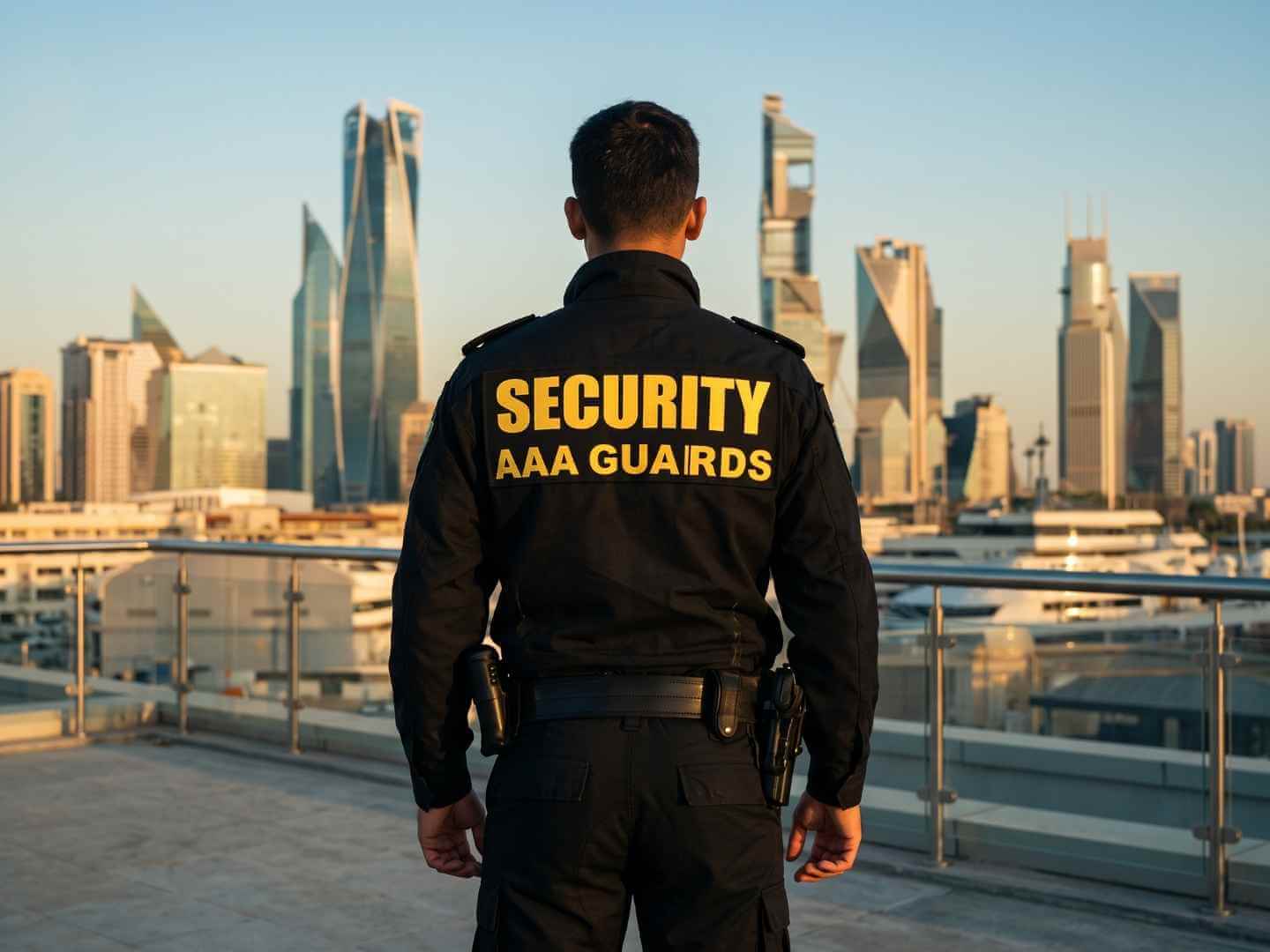
Hospital Security Guard Training is different from standard commercial security training. Hospitals are open, busy, emotional, and high-pressure. Security officers may support emergency departments, visitor screening, patient transport areas, parking lots, staff escorts, behavioral health units, and access-controlled zones.
In Fort Worth and Dallas, healthcare facilities need Hospital Security Guards who can protect people without disrupting patient care. The best hospital security services combine licensing, communication, de-escalation, access control, reporting, emergency response, and respect for the healthcare environment.
Why Is Hospital Security Guard Training Different?
Hospital Security Guard Training is different because officers work around patients, families, nurses, doctors, visitors, and vendors during stressful moments. They must protect staff and property while respecting privacy, patient dignity, and the flow of care.
Hospitals are not like office buildings or warehouses. People may arrive injured, upset, confused, intoxicated, afraid, or in crisis. Security officers need training that helps them respond calmly instead of making a tense situation worse.
OSHA Healthcare Workplace Violence explains that healthcare and social service employers should develop workplace violence prevention programs and policies, and it notes that NIOSH recommends comprehensive violence prevention programs for hospitals.
AAA Guards provides Healthcare Facilities Security for hospitals, clinics, medical offices, and healthcare properties that need trained officers, visitor support, patrols, and incident reporting.
What Hospital Security Guard Requirements Matter in Texas?
Hospital Security Guard requirements in Texas may include state security licensing, background checks, facility-specific training, post orders, emergency procedures, and healthcare-specific policies. Armed and unarmed roles may have different requirements.
The Texas Department of Public Safety Private Security division regulates the private security profession in Texas, including armed and unarmed security guards. DPS also states that it conducts fingerprint-based background checks on applicants and investigates complaints.
For training, the Texas DPS Individual License Questions page says non-commissioned security officer applicants must submit a Level II training certificate, while commissioned security officer applicants must submit Level II and Level III training certificates.
The Texas DPS Training and Continuing Education page says the Level III training course for commissioned security officers requires a minimum of 45 hours and includes a test and course of fire. Requirements can vary by role, facility policy, and assignment, so hospitals should confirm current rules before staffing a post.
What Healthcare Security Officer Skills Matter Most?
Healthcare security officer skills should include de-escalation, communication, observation, access control, report writing, emergency response, patient sensitivity, visitor management, and teamwork with clinical staff. These skills help officers protect people while supporting care.
De-escalation is one of the most important skills. A healthcare security officer may need to speak with an upset family member, redirect a visitor, support staff during a disturbance, or help calm a lobby situation. Tone, body language, distance, patience, and clear instructions matter.
The Joint Commission Preventing Workplace Violence page explains that its workplace violence prevention framework includes leadership oversight, policies and procedures, reporting systems, data collection and analysis, post-incident strategies, training, and education.
AAA Guards offers Unarmed Security Officers for healthcare facilities that need a calm, professional security presence at entrances, lobbies, reception areas, parking lots, and visitor checkpoints.
How Should Hospital Security Guards Handle Access Control?
Hospital Security Guards should handle access control by verifying visitors, directing patients and vendors, monitoring restricted areas, checking badges, enforcing visitor rules, and reporting access concerns. The goal is to guide people clearly while keeping sensitive areas protected.
Healthcare access control may include emergency department entrances, maternity areas, behavioral health units, pharmacies, medical records, staff-only corridors, ambulance bays, loading docks, and after-hours doors. Each post should have written instructions.
Good access control is not just about saying “no.” It is about explaining where people should go, confirming why they are there, and helping staff avoid unsafe interruptions. Officers should understand when to involve nursing supervisors, administrators, or law enforcement.
AAA Guards can support access control with CCTV Installation and Remote Patrol Using CCTVs for entrances, parking areas, corridors, and exterior access points.
Why De-Escalation and Communication Training Are Critical
De-escalation and communication training are critical because many hospital security incidents begin as emotional, verbal, or confusing situations before they become physical. Officers who communicate well can often reduce tension and protect staff without unnecessary force.
Hospital security officers should know how to listen, slow the conversation, use calm language, avoid crowding, set clear boundaries, and call for help early. They also need to know when a situation is outside their role and must be handed off to clinical staff, law enforcement, or emergency responders.
The American Hospital Association Creating Safer Workplaces guide, created with IAHSS, focuses on action steps hospital leaders can use to reduce violence in healthcare settings and build safer workplaces.
For higher-risk assignments, facilities may also consider Armed Security Officers only when the risk assessment, site conditions, and facility policy support that decision.
What Training Supports Emergency Department and Behavioral Health Security?
Emergency department and behavioral health security training should focus on de-escalation, patient dignity, clinical coordination, visitor control, elopement response, contraband awareness, emergency alerts, and safe restraint support when directed by clinical policy.
These areas are sensitive. Security officers should not act like clinical staff, but they must understand how to support clinical teams. That means following hospital procedures, protecting privacy, staying calm, and documenting what happened clearly.
The IAHSS Training and Certifications page says IAHSS training and certification are designed to help healthcare security and safety professionals understand and implement important security and safety functions in daily operations and unexpected events.
A strong hospital security services plan should also define when officers patrol, when they stand by, when they escort, when they observe, and when they escalate.
What Should Hospital Security Services Include?
Hospital Security Services should include trained officers, visitor management, access control, emergency response support, parking lot patrols, incident reporting, camera support, staff escorts, and coordination with hospital leadership. The service plan should match the facility’s layout and risk level.
A practical hospital security plan may include:
- Front entrance and emergency department coverage
- Visitor screening and badge checks
- Parking lot patrols and staff escorts
- Behavioral health or high-risk unit support
- Access control for restricted areas
- Incident reports and daily activity reports
- Emergency response procedures
- Coordination with nurses, administrators, and law enforcement
- Camera review and alarm response
- Regular review of incident trends
For large campuses, Mobile Patrol Security can help check parking lots, exterior doors, loading docks, medical office buildings, and after-hours access points.
FAQs
What is Hospital Security Guard Training?
Hospital Security Guard Training is specialized training that prepares officers to work in healthcare environments. It may include de-escalation, access control, visitor management, emergency response, report writing, patient sensitivity, and coordination with clinical staff.
What are common Hospital Security Guard requirements?
Common Hospital Security Guard requirements may include Texas security licensing, background checks, facility-specific training, post orders, emergency procedures, and healthcare policy training. Armed and unarmed positions may have different requirements.
What skills do healthcare security officers need?
Healthcare security officers need communication, de-escalation, observation, access control, report writing, emergency response, visitor management, and teamwork with nurses, doctors, and administrators.
Do Hospital Security Guards need healthcare-specific training?
Yes. Hospitals are high-pressure environments with patients, families, staff, vendors, and visitors. Healthcare-specific training helps guards respond safely, respectfully, and professionally.
Can hospital security guards help with workplace violence prevention?
Yes. Hospital security guards can support workplace violence prevention by monitoring risk areas, responding to disturbances, documenting incidents, supporting access control, and helping staff follow escalation procedures.
Are armed guards always needed in hospitals?
Not always. Many healthcare facilities use unarmed officers for a calm and professional presence. Armed security may be considered only when the facility’s risk assessment, policies, and legal requirements support that choice.
If your hospital, clinic, urgent care center, or healthcare facility in Fort Worth or Dallas needs trained Hospital Security Guards, AAA Security Guards can help build security coverage around access control, visitor management, emergency department support, staff escorts, patrols, reporting, and healthcare-specific post orders.
Request a free quote or schedule a consultation with AAA Guards for professional Hospital Security Services in Fort Worth, Dallas, and surrounding Texas areas.