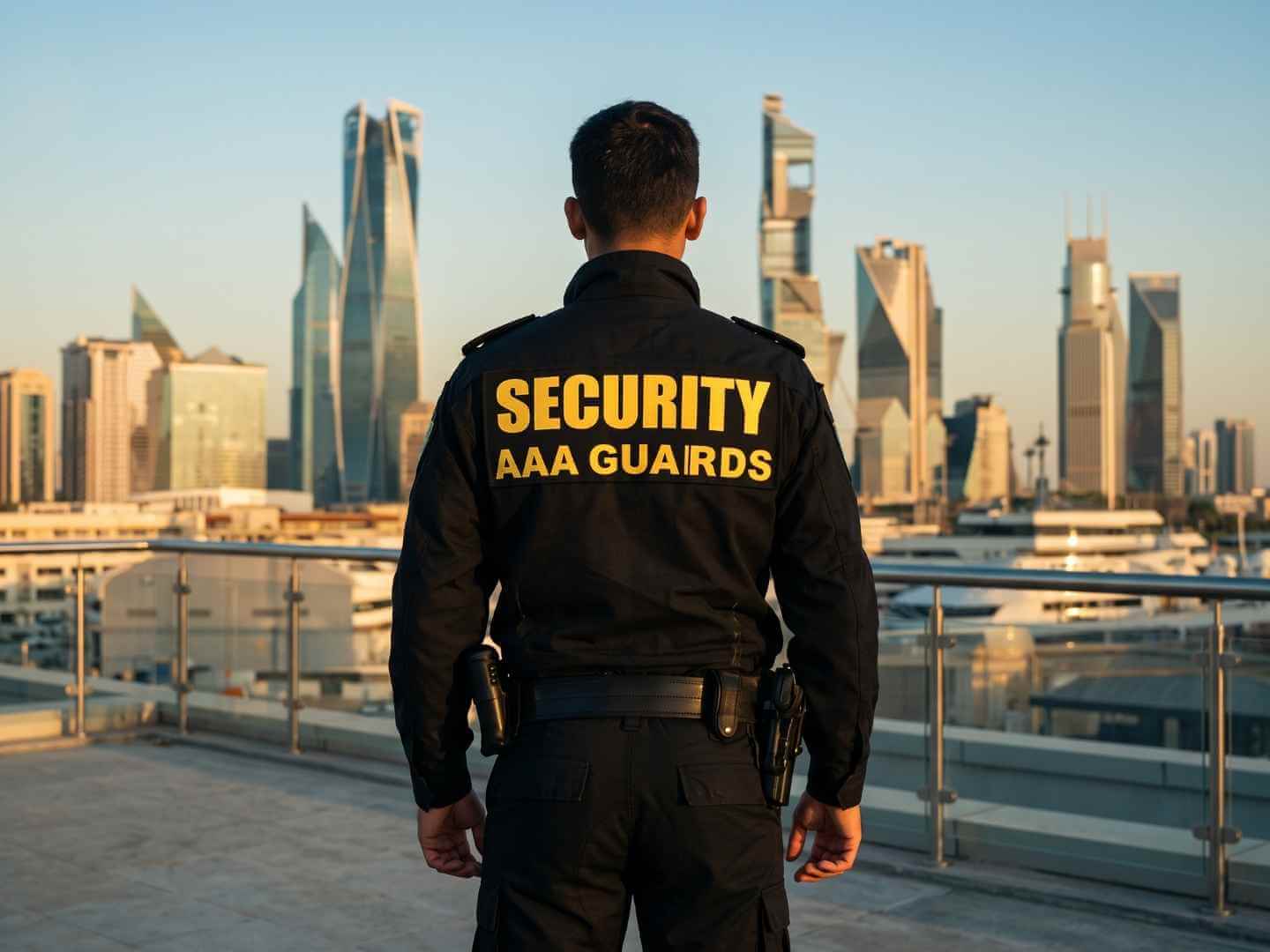
What Fort Worth Warehouse Security Guards Do at Properties:
- Hold access control at gates, dock doors, and yard entrances.
- Run scheduled and random patrols across the perimeter and interior.
- Inspect trailer seals and verify drivers against bills of lading.
- Watch CCTV feeds and respond to alarm or sensor triggers.
- Document incidents and report directly to operations management.
Think a fence and a camera are enough to keep a Fort Worth warehouse safe overnight? Most operators do, until the first real loss happens. Cargo theft across the AllianceTexas keeps climbing, with CargoNet ranking Texas among the top three U.S. cargo theft markets. The gaps aren’t always where owners expect.
AAA Security Guard delivers best Fort Worth warehouse security services that combine licensed officers, mobile patrol, and CCTV systems into one layered setup built to actually hold the property through third shift. Here’s how real coverage works on Fort Worth properties and what to vet before signing with anyone.
Why Fort Worth Warehouses Sit in a Prime Target Zone
Fort Worth sits at the center of one of the busiest freight corridors in North America. That kind of volume pulls in the wrong kind of attention, which is exactly why warehouse security matters more here than in most U.S. markets.
AllianceTexas alone moves enough trailers to fill a small metro. Layer in the warehouse clusters along Meacham, the south Fort Worth distribution belt, and the truck yards stretching off I-820, and you’ve got a target zone the size of a city. CargoNet’s most recent reports keep DFW near the top of national cargo theft hotspots.
It’s not just full loads. Operators also lose tarps, diesel, forklifts, and catalytic converters cut from parked rigs overnight. All of it costs real money, and all of it is preventable with proper warehouse security on the ground.
What Warehouse Security Actually Means at a Distribution Site
Warehouse security is the combined use of trained officers, patrol coverage, and surveillance technology to protect a distribution property from theft, trespass, and operational risk.
What that looks like on the ground: officers running access control at the gate, walking the perimeter on rotation, checking trailer seals, watching dock activity, and responding to alarm trips before law enforcement arrives. Drivers get verified against bills of lading. Outbound seals get inspected before the rig pulls out.
Inside the building, on-site warehouse security officers cover high-value zones, monitor employee entry points, and stay on radio with shipping. They aren’t there to slow operations. The good ones learn the rhythm of the dock and become part of how the property runs.
Industries Getting Hit Hardest Across Tarrant County
Distribution centers, third-party logistics providers, freight and trucking companies, manufacturing facilities, and construction material yards make up most of our Fort Worth warehouse security work.
Anyone storing product that moves quickly on the secondary market is a target. Electronics warehouses near the airport. Food and beverage distributors running through Alliance. Building material yards. Cold storage feeding restaurants across DFW.
Family-run operations get hit just as often as the national chains. Sometimes harder, because thieves know smaller properties don’t always run 24-hour staffing or full surveillance. Fort Worth warehouse security services aren’t reserved for Fortune 500 logistics. Plenty of mid-size operators run guards because the math on a single stolen load makes coverage pay for itself in a quarter.
Six Things Change Once Trained Guards Walk the Property
Bringing in real warehouse security shifts more than the safety picture. It moves the daily numbers.
- Trailer theft and seal tampering caught at the gate, not after the load is gone.
- Less shrink from unauthorized lot access and internal theft.
- Quicker response when alarms trip or sensors fire after dark.
- Documented incident logs that hold up with insurance and law enforcement.
- Calmer parking lots, fewer break-ins on driver and employee vehicles.
- A visible deterrent at the road, which alone cuts opportunistic crime.
Operators who add coverage usually drop their loss numbers within a quarter.
Inside an AAA Security Guard Services Warehouse Account
Every Fort Worth warehouse security account starts with a real site walk, not a quote over the phone.
We map gate flow, dock layout, blind spots, fence vulnerabilities, and the shifts where the property runs most exposed. From there, we build a post order specific to your operation. Not a recycled template from a job site three counties over.
Our officers are licensed through the Texas Department of Public Safety Private Security Board and trained for warehouse conditions. They know forklift safety zones, dock door procedures, and how to handle a driver dispute without making it bigger. Our security services have covered logistics properties across Fort Worth, Alliance, Haslet, Saginaw, and the rest of the Tarrant County warehouse belt. Big or small, the prep stays the same.
Picking Armed Coverage When the Loss History Calls for It
Most daytime warehouse security work in Fort Worth runs fine with unarmed officers. But high-value inventory changes the math.
Access control, observation, and documentation are the bulk of the day. Plenty of distribution centers run unarmed security officers Monday through Friday and never have an issue. That’s the standard for most operators we work with.
When the picture shifts, armed security officers make sense for properties holding electronics, pharmaceuticals, controlled substances, or anything regularly targeted by organized retail crime. Same goes for warehouses in higher-crime corridors or sites with prior break-ins. We won’t push armed coverage on operators who don’t need it.
Why Warehouse Patrol Security Matters More for Sprawling Properties
Fixed-post officers can’t cover a 50-acre property in real time. Warehouse patrol security fills the gap that stationary coverage can’t reach.
Mobile patrol security is a service where licensed officers drive marked vehicles through a property on scheduled and random rounds, hitting more ground than any single post can hold. For Fort Worth warehouses with trailer lots running back from the road, multiple buildings, or open yards, warehouse patrol security usually beats stacking guards on every corner.
Patrol officers test gates, walk dock areas, check perimeter lighting, and respond to alarm calls when they’re closer than dispatch. The bigger advantage is the unpredictability. Random patrol patterns make the property harder to read. Thieves rely on schedule. Warehouse patrol security breaks the schedule on purpose.
Stacking CCTV and Remote Monitoring on Top of Guards
Cameras don’t replace officers. They extend what officers can see, and they round out a complete warehouse security setup.
A trained guard paired with a layered camera system catches more than either one running alone. CCTV installation covers gates, dock doors, yard rows, exterior fences, and the blind spots between buildings.
Remote CCTV monitoring is a service where licensed operators watch live feeds from an off-site command center and dispatch officers, police, or fire when something doesn’t look right. For Fort Worth warehouses, this matters most after the dock shuts down for the night. Cameras don’t blink. Operators don’t either. And the on-site team responds before the loss becomes a claim.
How to Pick the Best Warehouse Security Company in Fort Worth
Skip the polished sales, Run through the questions a serious operator would ask before signing with any Fort Worth warehouse security services provider.
- Confirm Texas DPS Private Security Board licensing for the company and every assigned officer.
- Ask about warehouse-specific experience, not retail or event work in a different uniform.
- Pull insurance limits, bonding records, and workers’ comp paperwork in writing.
- Get references from real Fort Worth or Tarrant County logistics clients.
- Verify training in dock procedures, access control, trailer inspection, and incident reporting.
- Lock down pricing, shift structure, and supervisor escalation in the contract.
The best warehouse security company in Fort Worth will answer all of this without dancing around. If a company gets squirrely on basic vetting, that’s your sign to walk.
FAQs
What does warehouse security cost in Fort Worth? Pricing depends on property size, hours of coverage, armed or unarmed posts, and whether mobile patrol is added. We quote after walking the site.
How fast does mobile patrol respond to a Fort Worth warehouse alarm? Mobile patrol officers usually respond within 15 to 30 minutes of an alarm, depending on traffic, dispatch routing, and proximity to the property.
What training do warehouse security officers receive in Texas? Officers complete Texas DPS licensing plus warehouse-specific training in access control, trailer inspection, dock safety, incident documentation, and driver de-escalation.
When should a warehouse upgrade from cameras alone to live guards? Most operators add guards after a major loss event, repeated trailer theft, or pressure from insurance carriers. Cameras record. Officers prevent. Both work better together.
What separates mobile patrol from on-site warehouse guards? On-site officers hold fixed posts at gates and docks. Mobile patrol drives the property on scheduled and random rounds. Most warehouses run both.
Which warehouses in Fort Worth get targeted most often? Electronics, pharmaceuticals, food and beverage, building materials, and high-end consumer goods top the list. Properties near AllianceTexas and along I-820 see the most repeat activity.
AAA Security Guard Services covers Texas, with regular warehouse and logistics work across Fort Worth, Dallas, Houston, Irving, Bedford, Lewisville, and surrounding North Texas markets. Our crews have run distribution sites along some of the busiest freight corridors in the state. View our Google Business Profile for Dallas and Fort Worth to read client reviews and reach the team directly.