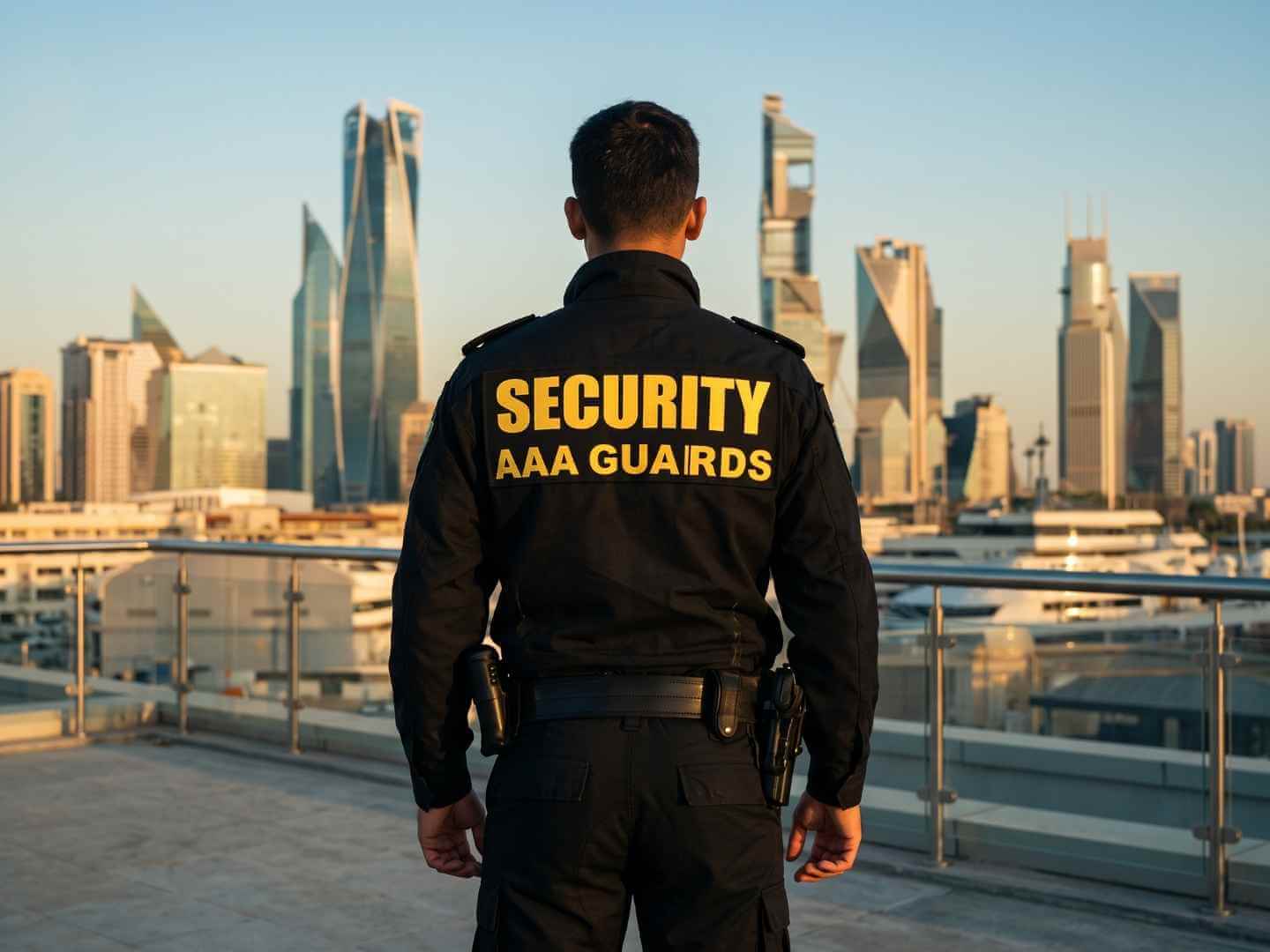
A construction site can lose thousands of dollars in tools, materials, and equipment before the next crew arrives. That is why construction site security in Texas is a serious planning issue for contractors, developers, and project managers, not just an after-hours concern. Many job sites are exposed to theft, trespassing, vandalism, fire watch needs, and access control gaps, especially overnight or on weekends.
But are construction site security guards legally required on Texas job sites? This guide explains the practical construction site security requirements, when a Texas security guard license matters, and how construction site theft prevention can protect your schedule, budget, and property.
Are Construction Sites Legally Required to Have Security Guards in Texas?
Most private construction sites in Texas are not automatically required by one statewide law to hire security guards. However, a site may need guards because of owner requirements, contract language, insurance conditions, local fire code, theft risk, trespass issues, public exposure, or after-hours safety concerns.
That means the better question is not only “Are guards required?” The better question is, “What risks does this job site have, and who is responsible for controlling them?” A small interior remodel may not need the same coverage as a large multifamily build, warehouse project, school site, hospital expansion, or government-related construction project.
Fort Worth code guidance is a good example. City of Fort Worth Fire Prevention says Fort Worth has adopted the 2021 International Fire Code, and its fire prevention guidance notes that a site safety plan and, in some cases, fire watch are required for new construction. Fort Worth Code of Ordinances also describes when fire watch is required during nonworking hours for certain construction projects and when required by the fire code official.
AAA Guards does not provide legal advice. Construction site security requirements can vary by city, project type, contract, owner, insurer, fire marshal, and situation. Still, professional construction sites security can help reduce common jobsite risks before they become costly losses.
Do Texas Construction Security Guards Need a License?
Yes. People who provide regulated private security services in Texas generally need to follow Texas Department of Public Safety private security requirements. Texas DPS Private Security says it regulates the private security profession, conducts fingerprint-based background checks, handles complaints, and can take action against people who perform private security services without a license.
Training also matters. Texas DPS Individual License Questions says non-commissioned security officer applicants must submit a Level II training certificate, while commissioned security officer applicants must submit Level II and Level III training certificates. Texas Administrative Code Section 35.141 also states that Level II training is required for applicants for a noncommissioned security officer license or a security officer commission, and Level III training is required for applicants for a security officer commission.
If a construction site wants armed coverage, the rules are stricter. Texas DPS Private Security Licensees and Carrying a Handgun says the Private Security Act limits firearm carry by security officers to those who hold a commissioned security officer license or personal protection officer license, and non-commissioned security officers are prohibited from carrying a firearm while on duty.
AAA Guards provides unarmed security officers and armed security officers for Texas properties based on site needs, risk level, and coverage requirements.
Can a Contractor Use Its Own Employee as a Watchman or Guard?
A contractor may be able to use its own employee for some internal watchman or site-monitoring duties, but the details matter. If the person is performing security duties, wearing security-style clothing or a badge, contacting the public, controlling entry, preventing theft, or patrolling for unauthorized activity, Texas private security rules may apply.
Texas DPS Private Business Internal Security Registration Requirement says private businesses with internal security must register when they employ commissioned security officers, personal protection officers, or certain non-commissioned security officers who come into contact with the public, wear security-style uniforms or badges, and perform guard-type duties such as preventing entry, larceny, vandalism, abuse, fire, trespass, unauthorized activity, or public movement related to property protection.
Texas Occupations Code Chapter 1702 also says Chapter 1702 applies to certain employees who contact the public, wear security-style uniforms, badges, patches, or apparel, and perform security-related duties.
The practical point is simple: do not assume that calling someone a “watchman” avoids licensing issues. If the role looks and functions like security, review the requirements before assigning the post.
When Should a Construction Site Hire Security Guards?
A job site should strongly consider construction site security guards when it has:
High-value equipment or tools
Copper, wiring, lumber, appliances, or fixtures on-site
Open access from streets or alleys
Poor lighting or weak fencing
Past theft or vandalism
Weekend or overnight exposure
Multiple subcontractors and deliveries
Public access nearby
Delayed permanent doors or locks
Large parking or staging areas
Temporary power, generators, or fuel storage
Owner, insurer, or contract security requirements
National Insurance Crime Bureau and National Equipment Register have reported that equipment theft is a serious problem, with most thefts occurring from work sites with little or no security and law enforcement recovering as little as 20 percent of stolen equipment.
For large or spread-out projects, mobile patrol security can support gate checks, fence-line patrols, trailer checks, parking areas, and after-hours activity.
Are Overnight Guards Required for Construction Sites?
Overnight guards are not automatically required for every Texas construction site, but they may be required or strongly recommended based on the project’s fire watch needs, owner requirements, contract terms, insurance conditions, risk level, or local authority direction.
Overnight coverage is often useful when the site is most exposed. Thieves and trespassers often target sites after crews leave, when lighting is limited, gates are unattended, and equipment is parked. Guards can patrol the perimeter, check gates, monitor trailers, document activity, and contact management or law enforcement when needed.
Fort Worth Code of Ordinances describes nonworking-hour fire watch requirements for certain new combustible construction, larger projects, taller construction, and situations required by the fire code official. Texas DPS Fire Safety Watch Services also notes that fire watch or safety watch can become regulated security work when officers perform double-duty functions such as controlling ingress and egress or patrolling the site to detect or prevent unauthorized activity like theft or trespass.
For jobs that need consistent after-hours coverage, AAA Guards can support 24/7 construction site security planning and licensed guard coverage.
What Are Construction Site Security Requirements in Texas?
Construction site security requirements in Texas depend on the project, location, contract, owner, insurer, fire code, and security duties being performed. Common requirements may involve licensed guards, fire watch logs, access control, fencing, lighting, gate procedures, patrols, incident reporting, and emergency contact procedures.
A practical construction site security plan should include:
Site contact list
Gate and access rules
Subcontractor entry process
Delivery procedures
Fence and lock checks
Lighting review
Trailer and storage checks
Equipment inventory
Patrol route
Incident reporting process
Emergency escalation steps
Fire watch procedures if required
After-hours access policy
For Fort Worth projects, AAA Guards also serves local contractors and developers through Tarrant County security guard services and the local GMB profile for Fortworth.
What Does a Construction Site Security Guard Do?
A construction site security guard protects the job site by controlling access, patrolling the property, checking gates and fences, watching equipment, documenting incidents, reporting suspicious activity, monitoring deliveries, and helping prevent trespass, vandalism, and theft.
Common duties include:
Checking worker and vendor entry
Monitoring gates and access points
Patrolling fence lines
Inspecting trailers and storage areas
Watching parked equipment
Checking lights and cameras
Documenting vehicle activity
Reporting damaged locks or fencing
Calling management during incidents
Supporting fire watch duties if assigned and allowed
Writing daily activity reports
AAA Guards can also support job sites with parking control services when worker parking, deliveries, staging areas, and vehicle movement need better organization.
Can Security Guards Help Prevent Construction Site Theft?
Yes. Security guards can help prevent construction site theft by creating visible deterrence, controlling access, patrolling after hours, documenting activity, checking storage areas, reporting suspicious vehicles, and helping enforce end-of-day lockup procedures.
The strongest construction site theft prevention plan is layered. Guards work best when paired with fencing, lighting, locked storage, camera coverage, equipment tracking, accurate inventory, delivery controls, and clear reporting. National Insurance Crime Bureau and National Equipment Register have noted that both equipment security and work-site security are necessary to prevent theft because equipment often sits in areas with little or no physical security.
A good daily theft prevention routine should include:
Remove keys from equipment
Lock trailers and storage containers
Park heavy equipment away from exits
Block movable equipment when possible
Record serial numbers and PINs
Store small tools off-site or in locked storage
Check fence lines before closing
Document deliveries
Use visible patrols after hours
Report suspicious vehicles quickly
Construction theft does not only cost the value of the stolen item. It can also create delays, rental replacement costs, insurance issues, schedule penalties, and lost labor time.
FAQs About Construction Site Security in Texas
Are construction sites legally required to have security guards in Texas?
Not every private construction site in Texas is automatically required by one statewide rule to hire security guards. However, guards may be required by contract, insurance, owner policy, fire code, local authority direction, or the specific risk level of the site.
Do Texas construction security guards need a license?
Yes. Security guards who provide regulated private security services in Texas generally must follow Texas DPS private security requirements. Non-commissioned guards generally need Level II training, while commissioned armed guards need Level II and Level III training and a security officer commission.
Can a contractor use its own employee as a watchman or guard?
A contractor may use its own employee for some internal duties, but Texas private security rules may apply if that person performs security duties, contacts the public, wears security-style clothing or a badge, controls access, or patrols to prevent theft, trespass, or unauthorized activity.
When should a construction site hire security guards?
A construction site should hire security guards when it has high-value tools, equipment, copper, fuel, appliances, public access, weak fencing, poor lighting, prior theft, weekend exposure, or after-hours risk. Guards are also useful when the owner, insurer, or contract requires security coverage.
Are overnight guards required for construction sites?
Overnight guards are not required for every construction site. They may be required or recommended when the site has fire watch obligations, large value exposure, repeated theft, unsecured materials, high public access, or owner and insurance requirements.
What are construction site security requirements in Texas?
Construction site security requirements in Texas may include licensed guards, site safety plans, fire watch procedures, access control, fencing, lighting, patrols, incident reporting, equipment records, and emergency contacts. Requirements depend on the project, location, contract, and authority having jurisdiction.
What does a construction site security guard do?
A construction site security guard controls access, patrols the property, checks gates and fences, watches equipment and materials, documents activity, reports suspicious behavior, monitors deliveries, and supports theft and trespass prevention.
Can security guards help prevent construction site theft?
Yes. Security guards can help prevent construction site theft by creating visible deterrence, controlling access, patrolling after hours, checking storage areas, documenting activity, and reporting suspicious vehicles or behavior before losses happen.
If your Fort Worth job site needs stronger construction site security in Texas, AAA Guards can help you build a practical coverage plan. Request a free quote or schedule a consultation for licensed security guard services in Texas.