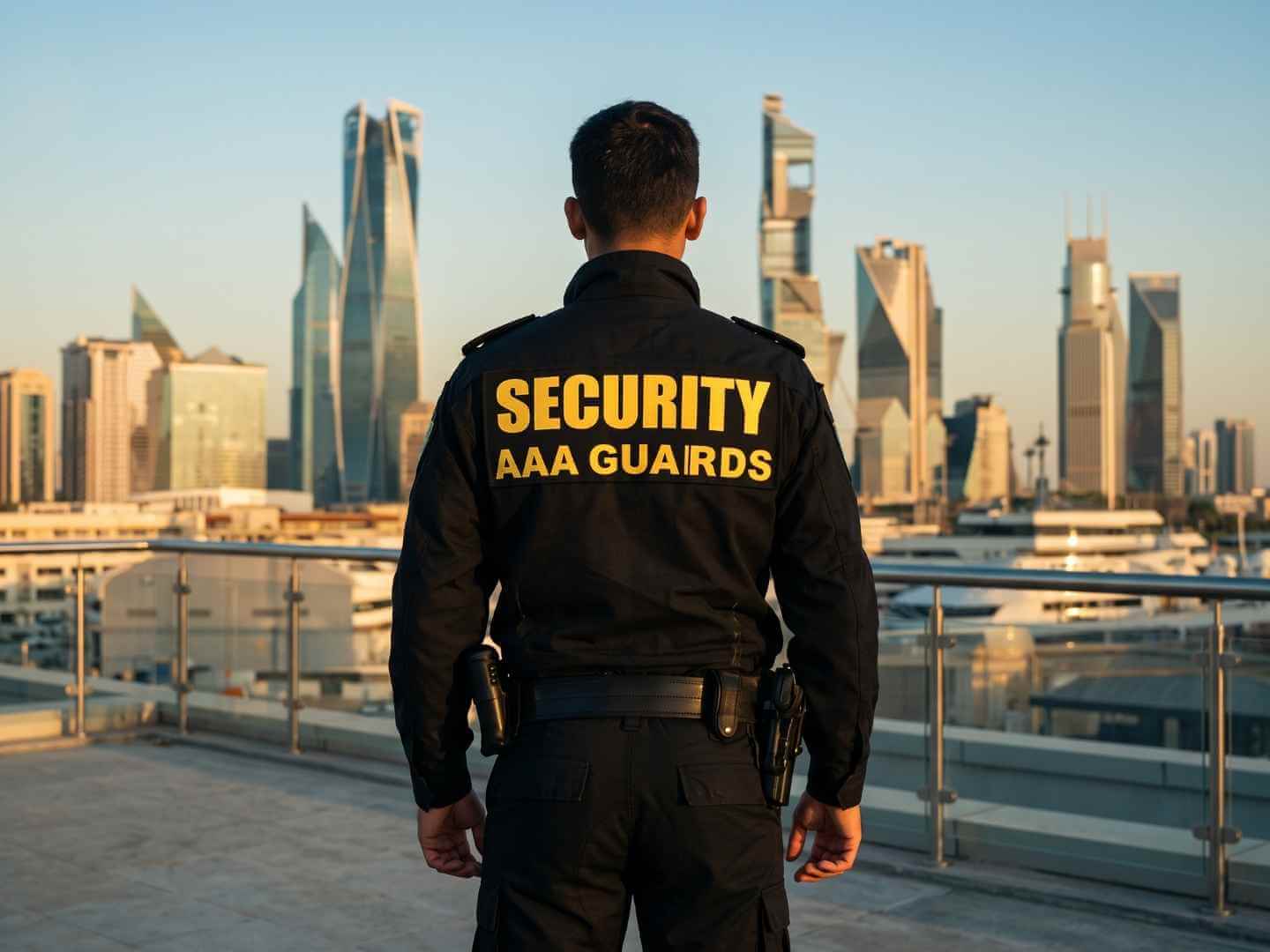
Every cash movement inside a bank creates a chance for error, theft, or internal loss. That is why Cash Handling Security Procedures must be clear, consistent, and easy for every branch team to follow. From teller drawers and vault access to cash shipments and closing routines, weak bank security procedures can expose banks to shortages, fraud, and preventable risk.
For banks and financial offices in Irving, this guide explains practical cash handling controls, bank internal theft prevention steps, and how bank security guards can support a safer environment around cash handling operations.
What Are Cash Handling Security Procedures for Banks?
Cash Handling Security Procedures are the written steps banks use to receive, count, store, move, audit, and protect cash. They usually cover teller drawers, vault access, cash shipments, dual control, opening and closing routines, surveillance, reporting, and staff responsibilities.
These procedures should be simple enough for daily use and strong enough to protect the branch. A policy that looks good on paper but is skipped under pressure will not reduce risk.
The OCC Comptroller’s Handbook on Internal Control describes internal control as systems, policies, procedures, and processes used to safeguard bank assets, limit or control risks, and achieve bank objectives.
For banks, that means cash handling should never depend on trust alone. Trust matters, but controls protect honest employees and make dishonest behavior harder.
AAA Guards supports financial and commercial properties with commercial security services built around access control, patrols, visible deterrence, and site-specific security needs.
Why Do Banks Need Strong Cash Handling Controls?
Banks need strong cash handling controls because cash is portable, high-value, and vulnerable to both external theft and internal loss. Good controls reduce opportunity, improve accountability, and make problems easier to find before they grow.
Strong controls often include:
Dual control for vault access
Segregation of duties
Cash drawer limits
Independent cash counts
Manager approval for exceptions
Daily balancing
Camera coverage
Clear shipment procedures
Written incident reporting
Restricted access to cash areas
The OCC Cash Accounts Handbook says cash accounts include coin and currency on hand and in transit, and it discusses prudent internal controls and risk management for cash accounts.
A strong control environment also helps employees. When every teller, supervisor, and manager follows the same process, there is less confusion about who touched cash, who approved movement, and where a shortage may have happened.
Bank Security Procedures That Reduce Internal Theft
Bank internal theft prevention starts with separating access, approval, custody, and review. One person should not be able to access cash, approve the movement, record the transaction, and review the shortage without another control in place.
Common prevention steps include:
Rotate cash-handling duties
Require dual control for vaults and high-value cash movement
Review teller over and short patterns
Limit access to cash storage areas
Separate balancing from approval
Use cameras near cash handling areas
Require written exception notes
Remove access quickly after role changes or termination
Audit cash drawers and vaults on a schedule
The OCC Community Bank Supervision Handbook references controls such as segregation or rotation of duties and dual control or joint custody over access to assets such as cash.
Banks should also avoid informal shortcuts. A shared key, common alarm code, unlocked cash room, or undocumented “temporary” exception can become the gap that causes a loss.
How Should Banks Secure Opening, Closing, and Cash Movement?
Banks should secure opening, closing, and cash movement with assigned roles, dual control, camera awareness, alarm procedures, access limits, and clear communication. The most important rule is consistency. Staff should not create new routines because the branch is busy.
Opening procedures should include checking exterior areas, confirming the lobby is safe, verifying alarms, and making sure only approved staff enter before business hours. Closing procedures should include lobby clearing, cash drawer balancing, vault procedures, locked door checks, and parking lot awareness.
The Electronic Code of Federal Regulations 12 CFR 208.61 says member banks must adopt security procedures to discourage robberies, burglaries, and larcenies, and to help identify and prosecute those who commit those acts. It also references security devices and physical characteristics of the banking office.
For branches with large parking lots, after-hours deposits, or staff leaving after dark, parking control services can help support exterior awareness and visible patrols.
Where Do Bank Security Guards Fit Into Cash Handling Security?
Bank security guards support cash handling security by controlling access, monitoring entrances, watching customer areas, supporting opening and closing procedures, patrolling parking lots, and reporting suspicious activity. Guards should protect the environment around cash handling, while bank employees handle the cash process itself.
A guard does not replace teller controls, audits, or management review. Instead, the guard adds a visible security layer around the branch.
Bank security guards can support:
Lobby security
Employee arrival and departure
Opening and closing support
Access control near restricted areas
Parking lot patrols
ATM area awareness
Suspicious behavior reporting
Vendor and visitor direction
Incident documentation
AAA Guards provides unarmed security officers for professional lobby presence and access support. For higher-risk branches, cash-heavy operations, or locations with repeated security concerns, armed security officers may be considered after a careful risk review.
Access Control, Surveillance, and Cash Room Protection
Access control is one of the most important parts of bank security procedures. Cash rooms, vaults, teller areas, offices, alarm panels, camera rooms, and back corridors should not be open to employees, vendors, or visitors who do not need access.
Access control should include badge permissions, key control, locked doors, visitor rules, alarm codes, manager approval, and periodic access reviews. Banks should also remove access quickly when employees transfer, resign, or are terminated.
The Federal Reserve FedCash Services page explains that Federal Reserve Banks help depository institutions order and deposit currency and manage cash services, including exception processing for items such as counterfeit currency.
Cash handling controls should also include counterfeit awareness. The Federal Reserve Handling Counterfeit Currency page says counterfeit or unlawfully altered currency detected in deposits is forwarded to the Secret Service, and the depository institution’s Federal Reserve Bank account is charged for the difference.
For multi-branch financial offices or properties with several access points, mobile patrol security can help check exterior doors, ATMs, parking areas, and after-hours activity.
Cash Handling Security Checklist for Irving Banks
Banks in Irving should review cash handling procedures around real branch activity, not only written policy. A strong review should include front lobby movement, teller lines, vault access, parking areas, after-hours staff movement, vendor access, and camera visibility.
Use this checklist:
Confirm written cash handling procedures
Set teller cash drawer limits
Use dual control for vault access
Review teller over and short patterns
Separate cash custody from review
Document cash exceptions
Control visitor and vendor access
Review alarm and camera coverage
Check parking and exterior lighting
Assign opening and closing roles
Train staff on robbery response procedures
Review counterfeit handling steps
Remove access after employee changes
Document incidents and suspicious activity
AAA Guards serves local financial and commercial properties through the Irving GMB profile: Irving. For banks and financial offices that need visible security, access support, patrols, or guard coverage, the right plan should match the branch layout, risk level, hours, and budget.
FAQs About Cash Handling Security Procedures
What are Cash Handling Security Procedures?
Cash Handling Security Procedures are the written steps banks use to receive, count, move, store, audit, and protect cash. They may include teller drawer limits, vault access rules, dual control, daily balancing, surveillance, reporting, and opening and closing procedures.
What bank security procedures help reduce theft?
Useful bank security procedures include controlled entrances, vault access rules, teller cash limits, camera coverage, dual control, visitor management, alarm procedures, incident reporting, parking lot patrols, and consistent opening and closing routines.
What are cash handling controls?
Cash handling controls are the safeguards that reduce cash loss and improve accountability. Examples include segregation of duties, dual control, drawer balancing, manager approval for exceptions, restricted access, independent audits, and written documentation.
How can banks improve bank internal theft prevention?
Banks can improve bank internal theft prevention by separating duties, rotating cash roles, reviewing over and short reports, limiting access, auditing drawers and vaults, documenting exceptions, and removing access immediately after role changes or termination.
Do bank security guards handle cash?
Bank security guards generally should not handle bank cash unless a specific contract and policy says otherwise. Their role is usually to secure the environment around cash handling through access control, lobby presence, patrols, observation, and incident reporting.
Are armed or unarmed bank security guards better?
The right choice depends on the branch’s risk level, location, operating hours, cash exposure, prior incidents, and management policy. Unarmed guards often support lobby and access control needs, while armed guards may be considered for higher-risk locations.
If your Irving bank or financial office needs stronger Cash Handling Security Procedures, AAA Guards can help support your security environment with licensed guards, access control support, patrols, and practical site coverage.
Request a free quote or schedule a consultation for professional security guard services in Texas.